All Categories
Featured

Essential Bankruptcy Support Strategies for 2026 Filers
Table of Contents
That's you. If you are overwhelmed with debt, make certain you think about all debt relief alternatives and determine what's finest for you.
By: Michael L. Moskowitz New information released by Epiq AACER verifies that bankruptcy filings continue to increase throughout both the business and customer sectors, highlighting the value for financial institutions to stay watchful in protecting their rights. Throughout the very first half of 2026, subchapter V chapter 11 filings increased by 50% over the exact same duration in 2025, climbing up from 1,107 to 1,663 filings.
Overall personal bankruptcy filings likewise increased significantly. Overall filings reached 310,550, a 12% boost year over year. Commercial insolvency filings rose 13%, while chapter 11 filings increased 28%, reflecting continued financial pressures on services from greater loaning expenses, increased operating expenditures, and continuous financial unpredictability. For financial institutions, these trends highlight the growing possibility of customers, customers, tenants, and service partners seeking insolvency security.
Personal bankruptcy procedures move rapidly, and creditors that stop working to react immediately may lose valuable rights. Whether the case includes a Chapter 11 reorganization, a Subchapter V case, or a Chapter 7 liquidation, understanding the appropriate deadlines, asserting claims, examining choice and fraudulent transfer problems, and monitoring the debtor's proposed course of action are all essential to securing a creditor's interests.
Reviewing Legal Lawyer Fees for 2026
Subchapter V elections increased 28% compared to June 2025, while commercial chapter 11 filings increased 29%, suggesting that monetary distress amongst organizations stays raised. As insolvency filings continue to increase, financial institutions must evaluate their credit practices, screen economically susceptible counterparties, and seek legal guidance promptly when a client or customer declare insolvency.
Significant Impacts of Filing Debt Bankruptcy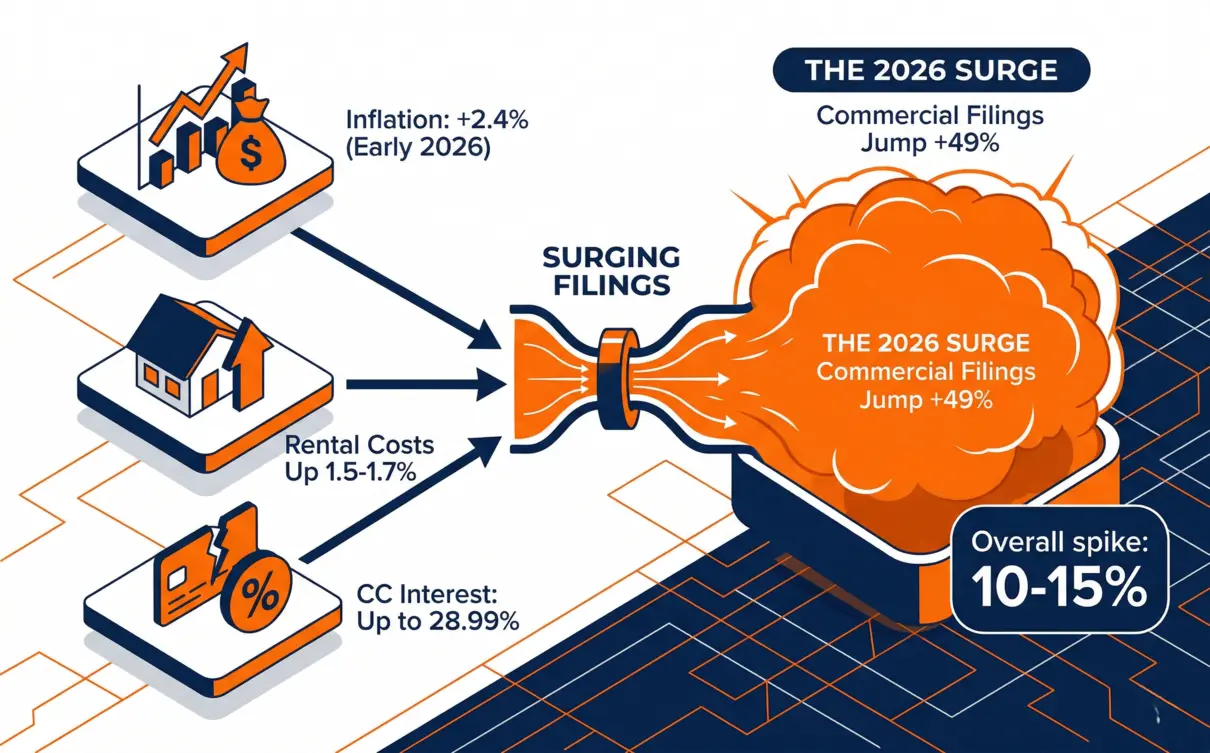
A (Lock Locked padlock icon) or means you've safely connected to the.gov website. Share sensitive details just on authorities, protected websites.
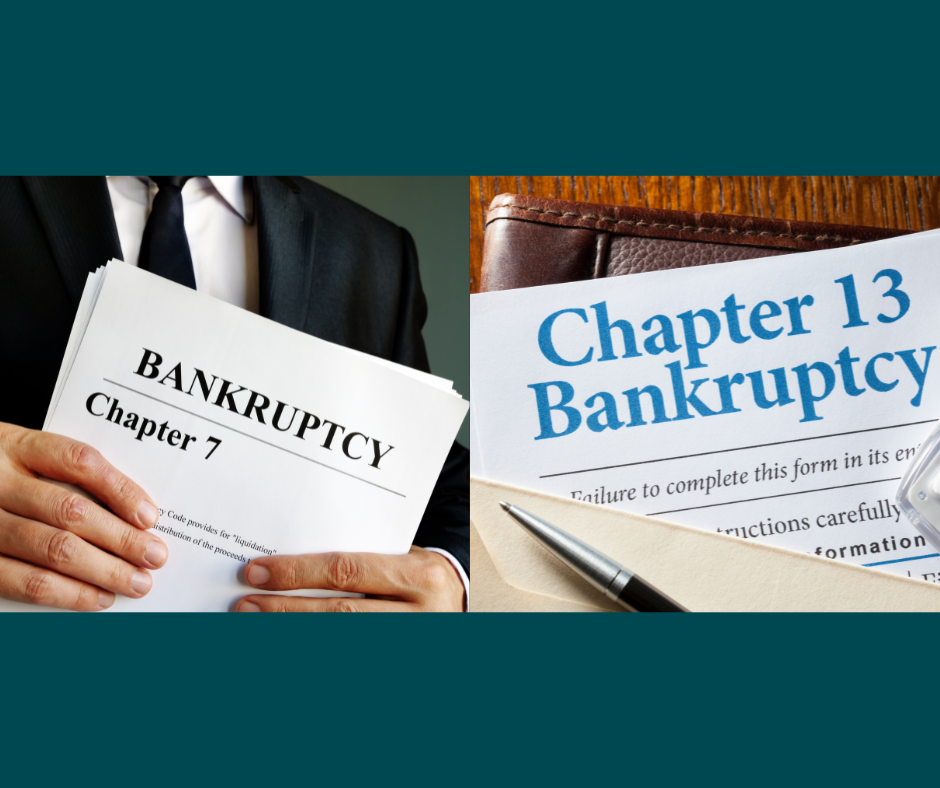
The 2005 Bankruptcy Act needs all individual debtors who file insolvency on or after October 17, 2005, to undergo credit therapy within six months before declaring insolvency relief and to complete a monetary management instructional course after submitting personal bankruptcy. Under the 2005 Personal bankruptcy Act your earnings and expenses will be examined to determine if you certify to file a Chapter 7 or if you need to submit Chapter 13.
If the earnings is listed below the typical, then you might pick Chapter 7. If your earnings goes beyond the typical, the remaining parts of the ways test will be applied to identify if you can submit Chapter 7 or if you need to file Chapter 13. (See California Method Test)To begin the personal bankruptcy procedure you should itemize your current income sources; major financial deals for the last two years; monthly living costs; debts (secured and unsecured); and property (all properties and possessions, not simply realty).
Evaluating Debt Liquidation within 2026 Rules
When you have collected this info, either by yourself or with the aid of an attorney, you need to then determine which property you think is exempt from seizure based upon the California exemptions. To really submit, either you or your lawyer, will need to submit a two-page petition and several other forms at your California district insolvency court.
If your creditors or the judge feel or find out that you have actually not been completely forthcoming in your personal bankruptcy filing, it could endanger the result of your petition. The expense for filing a Chapter 7 bankruptcy is $306. This charge might not be waived but you might be able to pay it in installations.
If you are submitting a Chapter 13 bankruptcy, a proposed payment strategy must likewise be sent. Concern claims (such as taxes and back child assistance) need to be paid in full; unsecured financial obligations (like credit card financial obligation and medical costs) are generally paid in part.
In addition to the basic requirements listed above, the payment strategy should pass each of the following 3 tests:1) It must be provided in great faith. 2) Unsecured creditors should be paid a minimum of as much as if a Chapter 7 bankruptcy had actually been submitted. Usually, this is the worth of all the nonexempt home you own (see California personal bankruptcy exemptions).3) All non reusable earnings need to be paid into the strategy for at least 3 years (you might consume to five years in order to satisfy the second test that you pay a minimum of as much as in a Chapter 7). If you have submitted Chapter 13, you should begin making your strategy payments.

Latest Posts

Significant Impacts of Declaring Personal Bankruptcy
Key Consequences of Filing Bankruptcy

Understanding the 2026 Legal Framework