All Categories
Featured
Essential Legal Guidance
An executory contract is one where both sides still have significant responsibilities delegated carry out. To put it simply, neither celebration has fully completed what they agreed to do. Typical examples of executory contracts in a business context include: Devices leases Supply and vendor contracts Service agreements Software licenses Commercial realty leases These are the types of contracts that typically end up being essential when an organization files for personal bankruptcy.
, when a business files for bankruptcy, it gains the right to either presume or decline its executory agreements. Assuming a contract suggests the business concurs to continue following it going forward.
The other celebration to the agreement does not get to choose whether the contract is assumed or turned down. The objective is to keep the organization alive while reorganizing its financial obligations. That is why there is much more versatility in how agreements are dealt with in Chapter 11 than in a liquidation.
Under 11 U.S.C. 365, the choice can generally be made at any point before the court verifies the reorganization plan. The other celebration to the contract can ask the court to set a due date if the unpredictability is triggering them damage. If the service chooses to assume a contract in Chapter 11, it should do so in full.
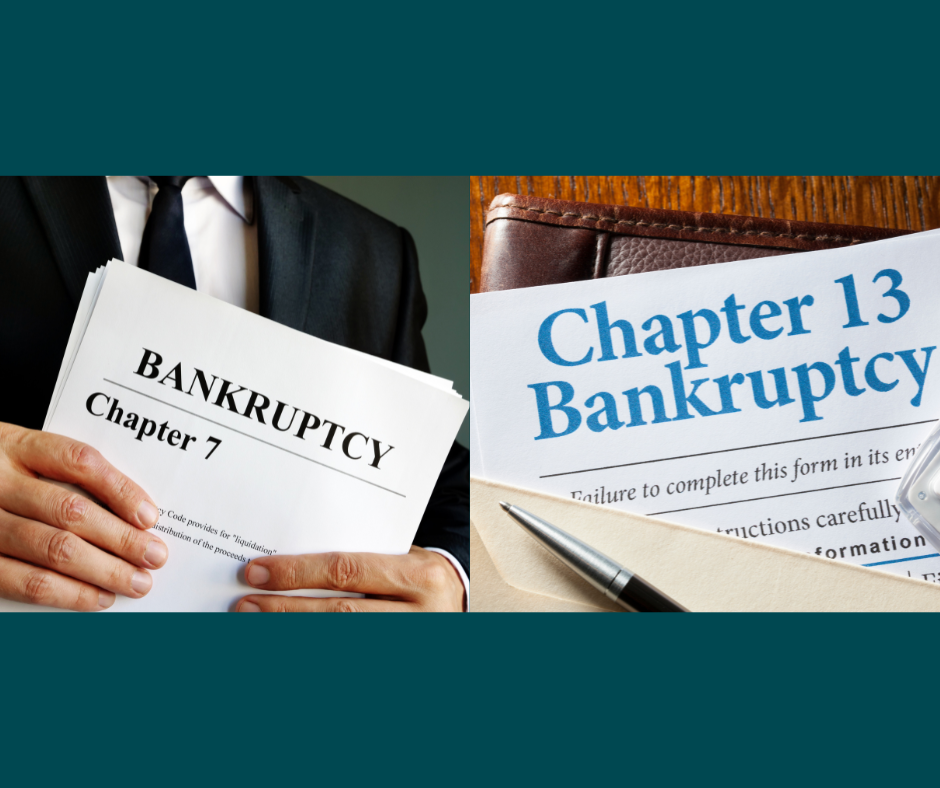
Comparing Chapter 7 vs 13 within 2026 Rules365(b), this suggests treating any missed payments or defaults, compensating the other celebration for any losses caused by those defaults, and providing adequate guarantee that it can perform moving forward. Business can not decide on the parts of an agreement it likes while declining the rest. Chapter 7 is a liquidation personal bankruptcy.
A Guide to 2026 Bankruptcy Costs
A trustee is designated to sell off properties and pay creditors. In this scenario, contracts are dealt with very differently. Under 11 U.S.C. 365(d)( 1 ), in a Chapter 7 case, the trustee has 60 days from the date of submitting to choose whether to assume an executory contract. If the trustee does not presume the agreement within that window, it is automatically thought about rejected.
When a contract is turned down in Chapter 7, the other party is again entrusted to a general unsecured claim versus the bankruptcy estate. In a liquidation, those claims are typically paid extremely little or absolutely nothing at all, depending on just how much is left after protected financial institutions are paid. Lots of organization agreements include clauses that state the contract automatically ends or can be terminated if one party declare insolvency.
Entrepreneur and their agreement partners often presume these provisions will protect them. Under 11 U.S.C. 365(e), ipso facto clauses are usually not enforceable in insolvency. An agreement can not merely be terminated even if a bankruptcy was submitted. This rule exists to provide the debtor a sporting chance to choose whether to assume or turn down the agreement without the other side ending immediately.
Lawyer Vicky Fealy is Board-Certified in Consumer Personal Bankruptcy Law by The Texas Board of Legal Specialization. She has actually assisted thousands of people and services with debt relief, and she is prepared to assist you through every step.
Selecting the Best Bankruptcy Attorney for 2026 Claims(Short Article Updated Jan. 6 and 8, 2026) This article notes federal and state consumer law changes scheduled to enter into result or expire during the duration from December 1, 2025, through January 1, 2027. Other customer law changes will be enacted in 2026 and will go into impact in 2026; this article lists changes whose effective dates have currently been set up since December 31, 2025.
Primary Impacts of Filing in 2026
Crucial modifications to Personal bankruptcy Rule 3002.1 and 6 associated new bankruptcy types went into effect on December 1, 2025. The modifications protect property owners who utilize chapter 13 personal bankruptcies to stave off foreclosures and keep themselves existing on their home mortgages, giving them details required to successfully complete a treatment plan and emerge from chapter 13 without surprise, concealed charges, or payment amounts due.
New Rule 8006(g) will clarify that any party to an appeal may submit a demand that a court of appeals authorize a direct appeal. 26 U.S.C. 108(a) provides that specific forgiveness on a mortgage is ruled out earnings for income tax purposes, but the Qualified Principal House Indebtedness Exemption from Earnings expired at the end of 2025.

Latest Posts

Significant Impacts of Declaring Personal Bankruptcy
Key Consequences of Filing Bankruptcy

Understanding the 2026 Legal Framework