All Categories
Featured

Estimating 2026 Bankruptcy Lawyer Fees
Table of Contents
Insolvency lawfully allows individuals or services who are unable to repay their financial obligations to look for relief through court-supervised reorganization or liquidation (sales) of assets. It offers a fresh financial start for debtors while ensuring fair treatment of lenders, however professionals say it ought to be a last hope to settle your financial issues.
While insolvency often brings a preconception, it is essential to set aside those concerns and focus on discovering a service that can supply relief. Everybody's financial journey is different, and your personal limits for stress and challenge must direct your decision. "The biggest misconception, by far, is that insolvency is a BAD thing," said Adrienne Hines, author of "Personal bankruptcy Magic: The Life-Changing Power of Financial Obligation Relief with Self-respect" and a bankruptcy and employees settlement attorney with Wisehart & Wright, Co., LLC, in Sandusky, Ohio.
Being clever about your options and exploring your options are more vital than being embarrassed or embarrassed.": An individual or company that owes cash, items, or services to another party. A bank, private, organization or other company that lends money, extends credit, or provides services with the expectation of being repaid, normally with interest.
: A court order that releases a debtor in personal bankruptcy from liability for particular financial obligations and prohibits lenders from continuing to attempt to collect them. The procedure in which some of a debtor's properties are sold to pay off creditors. Debt that is backed with security such as a home or car, which a creditor can take if you default on a loan.
Bankruptcy offers creditors a chance to be a minimum of partly paid back when assets coming from a specific or business are liquidated, meaning the possessions are transformed into money which is then committed the debtholders. All bankruptcy cases are filed in federal court. Judges examine the personal bankruptcy filing to identify a debtor's eligibility and then choose whether to release that debt.
Significant Consequences of Filing Personal Bankruptcy
A lot of cases are handled in between the judge and trustee and do not need the debtor to appear in the court procedures. A decision can be made to release, meaning the debtor is no longer lawfully responsible for paying those debts. Or the judge could dismiss the filing if she or he thinks the individual or business has the ways to pay their debts.
The American Personal bankruptcy Institute says that 95.3% of individuals in Chapter 7 personal bankruptcy are successful when they are represented by a lawyer, and United States. Insolvency Court statistics show an even higher percentage in Chapter 7 cases that aren't dismissed or converted into another type of insolvency As you'll see below, you might have to certify for Chapter 7 insolvency based on your earnings.
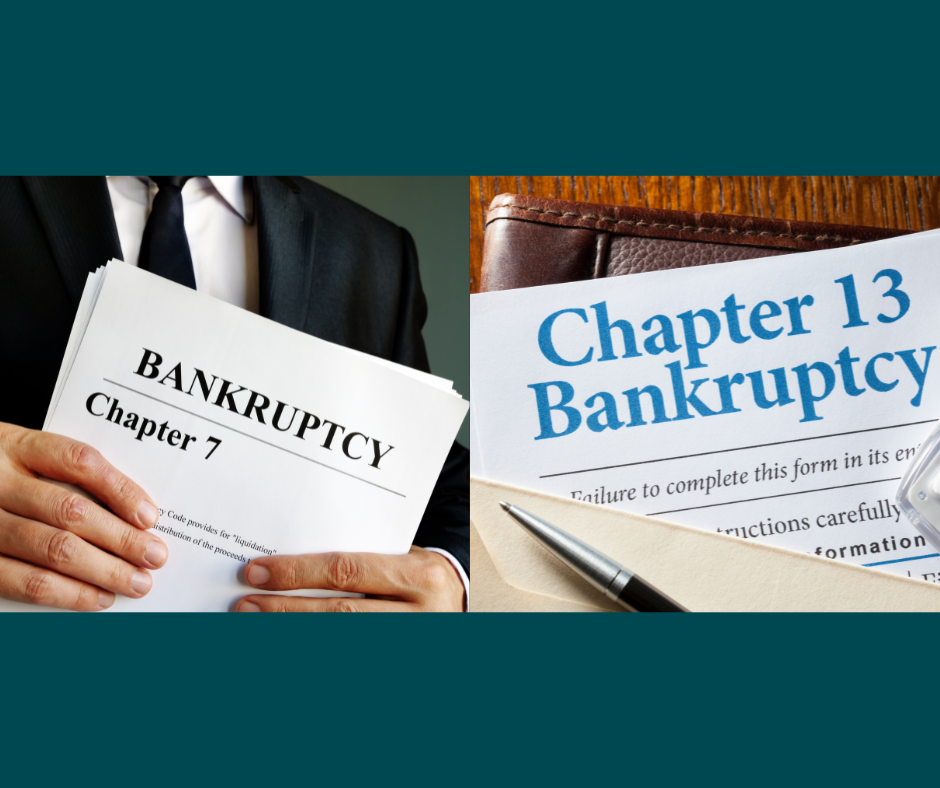
There are six types of insolvency Chapters 7, 9, 11, 12, 13 and 15 each developed to attend to different financial situations. Understanding these choices can assist people and businesses select the very best course to fix their debts and restore monetary stability. Chapter 7 and Chapter 13 are without a doubt the most common types of insolvency, accounting for over 98% of insolvency filings based upon early 2026 information.
Historically, it's been the most extensively utilized kind of insolvency since it's relatively inexpensive and offers the quickest debt relief. That trend is continuing, as Chapter 7 filings increased by 17% in the first quarter of 2026 over the first quarter of 2025, according to information from Epiq AACER released by the American Personal Bankruptcy Institute.
Ending Wage Garnishment With 2026 Bankruptcy Support
You likewise could be permitted to keep crucial properties thought about "exempt" property, though non-exempt property will be sold to pay back part of your financial obligation. Just understand that property exemptions vary state-to-state. By the end of a successful Chapter 7 filing, the majority (or all) of your debts will be discharged, indicating you won't have to repay them.
Chapter 7 personal bankruptcy remains on your credit report for ten years and substantially minimizes your credit rating, however your rating might enhance gradually as you restore your financial resources. While some people may not certify due to high earnings, others simply can't afford Chapter 7 insolvency due to the fees and expenses.
This is an alternative for people who do not want to provide up their home or do not certify for Chapter 7 since their earnings is too high. People can only file for personal bankruptcy under Chapter 13 if they have less than $526,700 in unsecured financial obligation in cases submitted between April 1, 2025, and March 31, 2028.

Latest Posts

Significant Impacts of Declaring Personal Bankruptcy
Key Consequences of Filing Bankruptcy

Understanding the 2026 Legal Framework