All Categories
Featured


Key Impacts of 2026 Bankruptcy
immediately upon filing, through the automated stay. You lag on your home mortgage and wish to keep your homeYour income is above the Colorado mean and you do not pass the Chapter 7 means testYou have non-exempt equity you wish to safeguard by paying its worth into a plan rather of losing the assetYou have debts that endure Chapter 7 (certain taxes, some domestic support arrears) that you require structured time to payYou've filed Chapter 7 too recently to file again (see timing guidelines listed below)The means test under 11 U.S.C.
Bankruptcy Lawyer Costs in 2026Here's how it works in plain terms: The U.S. Trustee Program publishes median household income figures by family size, upgraded every April and November using Census Bureau information. If your average monthly income over the previous 6 months, annualized, falls at or below Colorado's mean for your household size, you pass the means test instantly and might file Chapter 7.
Numerous above-median filers still certify for Chapter 7 after these reductions. or you may still have choices depending upon the type of debt you bring (the methods test just uses to filers whose debts are mainly customer debts). Because the typical earnings figures and internal revenue service expense standards change twice a year, the exact numbers that applied when a buddy or relative filed might not apply to your case today.
Chapter 13 isn't offered to everyone regardless of income there are statutory debt ceilings under 11 U.S.C. 109(e). As of the most current inflation adjustment (reliable April 1, 2025, through March 31, 2028), the limits are separate for protected and unsecured debt, in the low seven figures combined. There is active, bipartisan legislation pending in Congress that would raise and streamline these limitations into a single combined threshold worth viewing if you're near the current ceiling, particularly if a large mortgage is what's pressing you over.
Key Impacts of 2026 Bankruptcy
This is generally the deciding factor for Colorado filers. Colorado's exemption statutes secure a set amount of equity in your home, lorry, tools of trade, pension, and personal effects. If your equity in a property exceeds the exemption, the trustee can sell it and pay you the exempt part however for the large majority of filers with average equity levels, everything is safeguarded and nothing is sold.
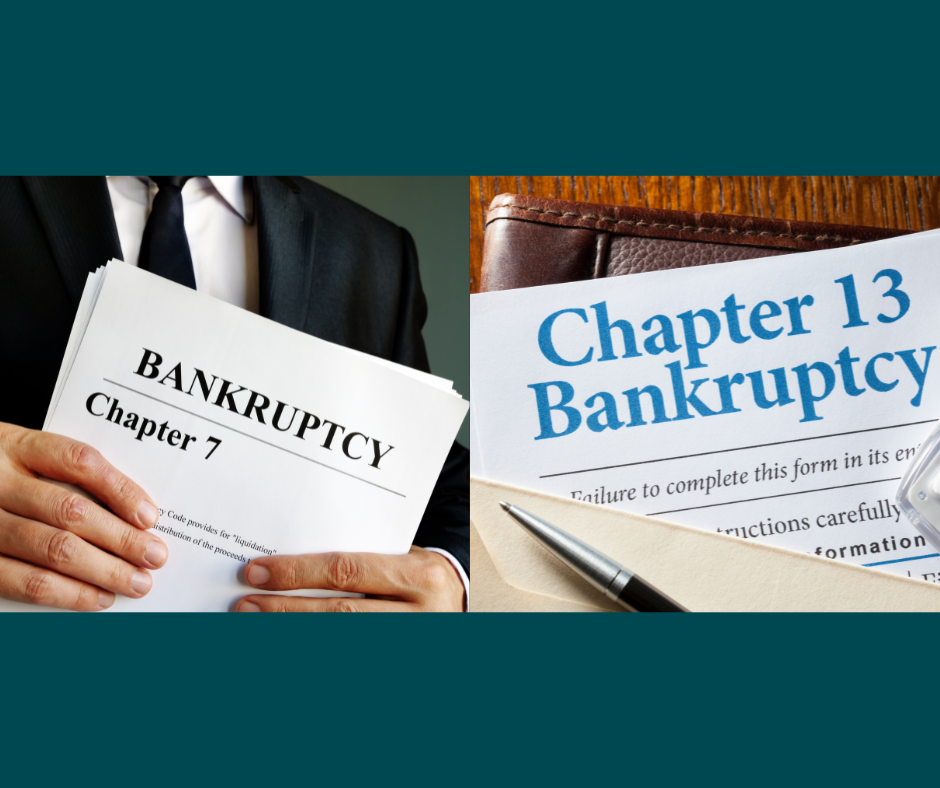
This is frequently why higher-equity property owners or company owner pick Chapter 13 even when they may technically pass the Chapter 7 indicates test. 34 months to discharge35 years to dischargeNoYes, per court-approved planLower, one-timeLower, one-time (plus ongoing trustee cost)Often paid up front or quickly after filingFrequently paid through the plan over timeStays 10 years from filingStays 7 years from filingUnsecured financial obligation without any major assets at riskSaving a home, curing financial obligations, above-median income Chapter 13 Chapter 7 You generally should wait 8 years for another Chapter 7 discharge, but might get approved for Chapter 13 quicker (timing rules are technical and case-specific) Chapter 13, to cure the default and keep the car Typically Chapter 13, though eligibility depends on the "routine income" requirement Chapter 13's co-debtor stay offers security Chapter 7 does notI spent years administering cases as the Trustee -seeing direct which decisions held up and which ones backfired.
Filing the incorrect chapter, or filing correctly however with an avoidable mistake, can indicate losing property you might have kept or paying years longer than needed. Every monetary situation is different, and the "best" chapter depends upon numbers and facts distinct to your household. If you're weighing Chapter 7 vs.
Yes, in many cases you can convert your case from Chapter 13 to Chapter 7 if your scenarios alter, subject to specific restrictions and court approval. Not necessarily. If you're current on your home loan and your home equity is within Colorado's exemption limits, you can typically keep your home in Chapter 7.
It depends on your family income compared to Colorado's present typical figures for your home size, plus allowed expense reductions if you're above average. Filing either Chapter 7 or Chapter 13 triggers the automatic stay, which right away stops most wage garnishments, collection calls, and claims.
Chapter 13 offers court-enforced defense that personal debt settlement does not offer, however it's a longer commitment. Insolvency law is fact-specific, and outcomes depend on your specific circumstances.

Latest Posts

Significant Impacts of Declaring Personal Bankruptcy
Key Consequences of Filing Bankruptcy

Understanding the 2026 Legal Framework