All Categories
Featured

New Filing Requirements for 2026 Bankruptcy
In Chapter 7, the trustee takes a look at your properties and compares their equity to the exemptions you claim. Equity is the value of the home minus what you owe on it. If your equity in a home, vehicle, or other property is fully covered by exemptions, the trustee usually leaves that possession alone.
That analysis typically determines whether Chapter 7 is safe for someone with built-up equity in Michigan realty or a paid-off automobile. In Chapter 13, exemptions still matter, however in a different method. Instead of selling non-exempt property, the law usually requires that unsecured financial institutions get at least as much through your plan as they would have gotten if you filed Chapter 7 and your non-exempt properties were offered.
A Michigan homeowner with equity above the homestead exemption might pick Chapter 13, make a greater regular monthly payment for a set number of years, and still keep the home. Due to the fact that the option between Michigan and federal exemptions can tilt the balance in between Chapter 7 and 13, this is not something to rate.
If Chapter 7 looks risky however the client's earnings can support a sensible Chapter 13 payment, the recommendation may shift toward Chapter 13 to protect hard-earned home. How each chapter treats your particular financial obligations often matters more than any abstract pros and cons list. Unsecured financial obligations, such as credit cards, medical expenses, payday loans, and numerous individual loans, normally get similar end results in both chapters, but through various paths.
In Chapter 13, unsecured lenders typically get a share of what you pay into the plan, which might be anywhere from a little percentage to the complete amount, and the staying balance can be discharged at the end if you finish your strategy. Secured financial obligations include residential or commercial property that serves as security, such as a mortgage on a home or a lien on a cars and truck.
Why Some Debt Settlements Lead to Legal IssuesComparing Chapter 13 Vs Chapter 13 in 2026
Keeping a secured possession often includes staying present on payments and, in some cases, signing a reaffirmation arrangement that keeps you personally liable on that specific loan after bankruptcy. If you are far behind and can not capture up quickly, surrendering the home in Chapter 7 erases your personal liability for any shortage balance after the lending institution offers it.
You can expand home loan or car loan defaults over a 3 to five-year strategy, which is called treating defaults, while also resuming your regular monthly payments. In some scenarios, Chapter 13 also permits a decrease of particular vehicle loan balances to the automobile's existing value, a principle referred to as cramdown, though comprehensive guidelines apply.
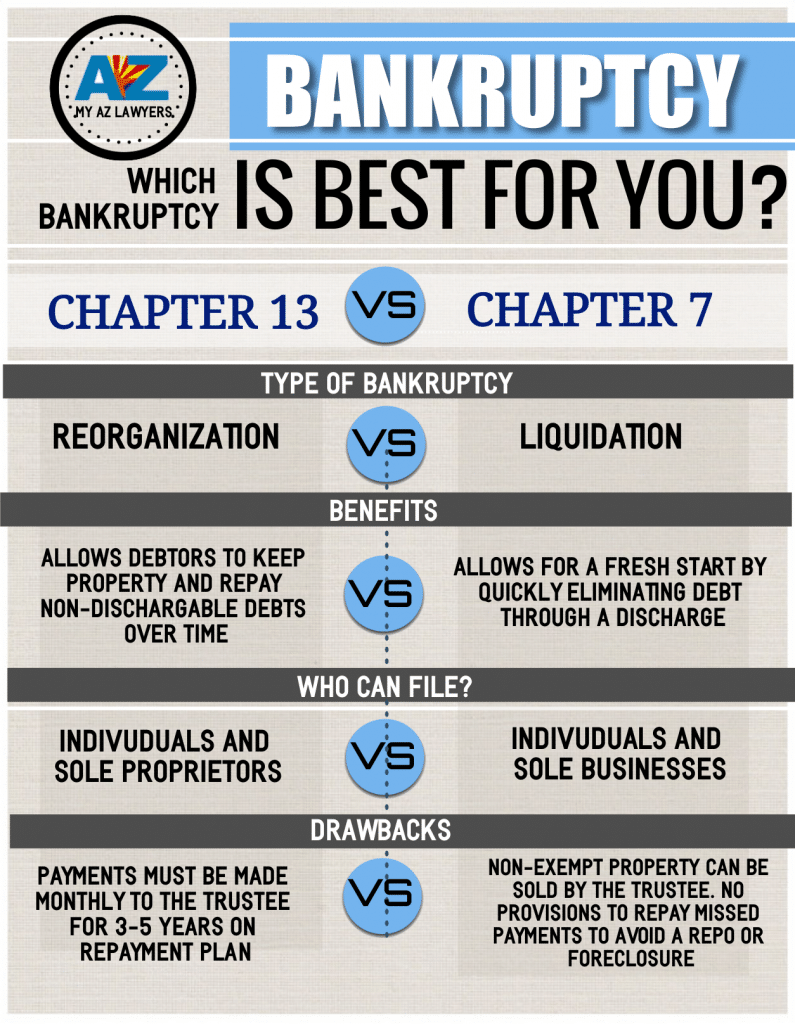
Top priority and nondischargeable financial obligations, such as recent earnings taxes, child support, alimony, and a lot of trainee loans, stand in a different classification. These are typically not eliminated in Chapter 7, though the automatic stay can pause some collection while the case is pending. In Chapter 13, these debts are often paid completely through your plan before unsecured creditors get anything.
At Hensel Law Workplace, PLLC, an in-depth lender list is mapped to these categories so you see precisely which debts will be eliminated, which must be paid, and which chapter handles them more successfully. Understanding the length of time each chapter lasts and what life looks like throughout the case can decide feel less abstract.
Why Some Debt Settlements Lead to Legal IssuesSoon after filing, the automatic stay generally stops garnishments, lawsuits, and many collection calls. You participate in a meeting of creditors, often called the 341 conference, where the trustee asks questions about your documents and finances. After that, you generally await deadlines to pass and for the court to release a discharge, unless the trustee requires more information or is checking out non-exempt possessions.
Estimating Lawyer Fees for 2026
You submit the case, and the automated stay goes into impact, stopping garnishments, foreclosure sales, and many collection activity. You propose a repayment plan, begin making monthly payments to the Chapter 13 trustee, and attend a 341 conference and, in most cases, a confirmation hearing where the judge considers whether to authorize the plan.
Many Michigan filers are surprised by how structured but workable the day-to-day truth can be when the strategy is practical. In Chapter 7, your main responsibilities are to be sincere, supply documents, attend your conference, and finish a needed financial education course. In Chapter 13, the added obligations consist of adhering to a budget plan, making every strategy payment on time, and reporting considerable income changes.
As soon as you understand how each chapter works, the next step is lining that up with your objectives. One core tradeoff is speed versus structure. Chapter 7 relocations quicker and usually includes no long-term payment commitments, which appeals to Michigan occupants and house owners who are existing on their mortgages and have primarily unsecured debts.

Latest Posts

Significant Impacts of Declaring Personal Bankruptcy
Key Consequences of Filing Bankruptcy

Understanding the 2026 Legal Framework