All Categories
Featured

Picking Chapter 13 for Your 2026 Needs
Table of Contents
Chapter 7 vs. Chapter 13: Which Insolvency Choice Is Better for Your Financial Circumstance? Chapter 7 and Chapter 13 insolvency offer different ways to deal with financial obligation, and the better choice depends upon your earnings, possessions, and financial top priorities. Chapter 7 concentrates on removing certifying financial obligations in a reasonably short time, while Chapter 13 uses a court-approved payment plan to assist you catch up slowly.
Chapter 7, typically called liquidation insolvency, is created to remove unsecured financial obligations such as credit cards and medical bills. Under Chapter 13, you make regular payments to a trustee, who then distributes funds to creditors. At the end of the strategy, any remaining eligible unsecured debt may be discharged.
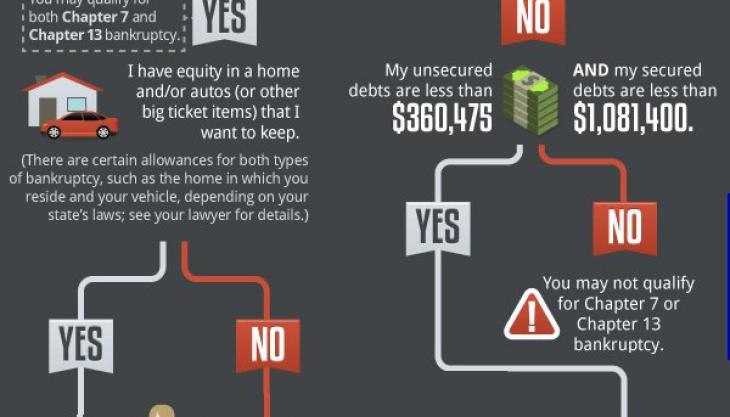
Chapter 7 may make sense if your earnings is low, your debts are mainly unsecured, and you do not need a long-lasting repayment strategy. Chapter 13 might be the better option if you have a steady income, important properties to protect, or past due protected debts that you desire to keep.
Choosing Chapter 13 for Maximum 2026 Benefit
Numerous people start restoring credit quicker than expected by paying expenses on time and managing new accounts properly. Chapter 7 stays on your credit report longer than Chapter 13, while Chapter 13 programs financial institutions that you followed a court-approved payment plan.
Picking in between Chapter 7 and Chapter 13 is a legal choice with long-lasting effects. Filing without comprehending how exemptions, income limits, and payment strategies apply to your scenario can lead to preventable problems. When you are facing collection actions, wage garnishment, or installing bills, getting precise guidance early can assist you prevent errors and move forward with confidence.
Legal Support for 2026 Chapter 13 FilersAt Robert H. Solomon, PC, we deal with individuals in New york city to recognize the insolvency solution that fits their goals and safeguards what matters most. Contact us to set up a consultation and take the next action towards monetary stability. About the Author Mr. Solomon has dealt with countless individuals seeking to get a clean slate through bankruptcy.
If financial obligation has actually ended up being unmanageable, you have actually probably already searched "Chapter 7 vs Chapter 13 personal bankruptcy" more than when. Both chapters can stop collection calls, wage garnishments, and claims but they work in basically different ways, and picking the wrong one can cost you time, cash, or home you were hoping to keep.
Your Ultimate Path to Successful Bankruptcy FilingsPersonal Bankruptcy Court Chapter 7 Trustee, I have actually examined countless cases from the within the system, not just the outside. Here's an uncomplicated, 2026-updated breakdown of how each chapter works, who qualifies, and how to analyze the choice. is a liquidation bankruptcy. The majority of filers keep everything through exemptions, and eligible debts are cleaned out in about 34 months.
Understanding Attorney Fees in 2026
is a reorganization personal bankruptcy. You keep your property and repay some or all of your debts through a court-approved strategy lasting 3 to 5 years. The chapter that's "best" for you depends on your earnings, what you own, what you owe, and what you're trying to secure frequently, a house or a vehicle you lag on.
A trustee is selected to your case, non-exempt properties (if any) are sold to pay financial institutions, and a lot of unsecured debts charge card, medical bills, personal loans, old energy expenses are released. The majority of Chapter 7 cases discharge in approximately 90120 days from filing. You aren't needed to repay unsecured lenders.
Most filers with a modest home, a couple of cars, and typical home products keep everything. You need to certify based on earnings (more on this below). Your earnings is at or below the Colorado median for your family sizeYou do not have considerable non-exempt equity in your house or other propertyYou're present on your mortgage or auto loan (or going to surrender them)You desire the fastest possible path to a dischargeChapter 13 is a repayment strategy insolvency for people with regular income.

Latest Posts

Significant Impacts of Declaring Personal Bankruptcy
Key Consequences of Filing Bankruptcy

Understanding the 2026 Legal Framework