All Categories
Featured

Saving Wages From 2026 Garnishment
Table of Contents
In filing a chapter 11, the debtor presents a strategy to financial institutions which, if accepted by the lenders and approved by the court, will permit the debtor to reorganize individual, financial or service affairs and again end up being a financially efficient individual or business.: Chapter 12 is created for "family farmers" or "household anglers" with "regular yearly earnings." It allows economically distressed family farmers and fishermen to propose and carry out a strategy to repay all or part of their debts.
Generally, the plan should offer payments over 3 years unless the court approves a longer duration "for cause.": A specific with a regular earnings who is conquered by financial obligations, however thinks such financial obligation can be repaid within a sensible duration of time, may submit under chapter 13 of the insolvency code.

If the court authorizes the strategy, the debtor will be under the court's security while repaying such debts. More details concerning the difference between chapters can be discovered in the Personal Bankruptcy Basics Manual.
Long-Term Effects of Filing in 2026Being a couple of paychecks away from missing a home loan or car payment can keep anybody up in the evening, especially if collectors are currently calling or a wage garnishment has actually started. Many people in Michigan reach the point where they know they require relief, however they are stuck on one essential concern: should they submit Chapter 7 or Chapter 13? Choosing the wrong course can have real repercussions for a home, a vehicle, and a paycheck.
Legal Support for 2026 Bankruptcy Filers
You wish to know what these chapters would actually do to your debts, your credit, and your everyday life. You might have heard good friends, coworkers, or perhaps other lawyers give strong opinions about one chapter or the other, often without any reference of Michigan exemptions, regional trustees, or how your precise mix of debts will drive the decision.
Both chapters originate from federal law, however they do not play out the exact same method for each filer. Hensel Law Office, PLLC regularly deals with Michigan locals to compare both chapters side by side using real numbers, not generic checklists, and this post will reveal you how that analysis works and how to prepare for it.
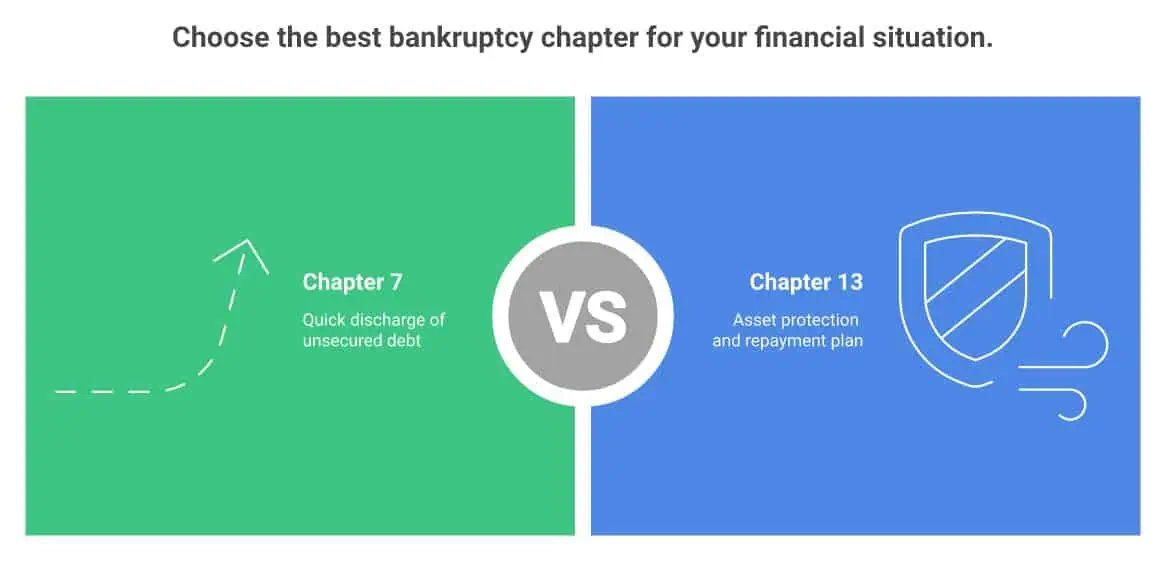
When you file Chapter 7 in Michigan, an insolvency estate is produced that temporarily includes your non-exempt home, and a trustee is designated to review your assets, income, and recent monetary history. In lots of Michigan cases, exemptions cover whatever the person owns, so the trustee does not sell anything, however that depends on your equity levels and the exemptions you use.Chapter 13 is different.
Long-Term Effects of Filing in 2026Navigating Bankruptcy Costs in 2026
Instead of focusing on selling non-exempt properties, Chapter 13 centers on your future earnings. You propose a monthly payment that fits your budget plan which fulfills legal tests for paying protected, top priority, and unsecured financial obligations. At the end of a successful plan, remaining certifying unsecured financial obligations are released, similar to in Chapter 7. Both chapters are submitted in the U.S.
However, Michigan-specific exemption guidelines, local trustee practices, and typical local financial obligation patterns alter how risky Chapter 7 is for your residential or commercial property and how realistic Chapter 13 payments are for your household. Due To The Fact That Hensel Law Workplace, PLLC handles both Chapter 7 and 13 cases in Michigan, the objective is not to push everyone into one chapter, however to match the chapter to the filer's real situation.
The means test compares your home income to the mean income level for a home of your size in Michigan and then changes for specific allowed expenditures. If your earnings is listed below the median, you typically pass the ways test. If it is above, a more comprehensive calculation of permitted costs and financial obligations identifies whether a Chapter 7 filing would be presumed violent.
You must have a routine income, and your overall protected and unsecured debts require to be within limitations set by federal law. Individuals typically end up in Chapter 13 due to the fact that their earnings is expensive to conveniently pass the Chapter 7 suggests test, since they filed a prior Chapter 7 too just recently, or because they are behind on a home loan or vehicle loan and require a structured method to capture up.
Protecting Income From 2026 Garnishment
In Michigan, family structure matters. A married individual whose spouse is not submitting might still need to consist of some or all of the spouse's income in the means test, and that can affect whether Chapter 7 is readily available. It is likewise typical for somebody to technically receive both chapters from an earnings standpoint, yet discover that their possessions or debt mix make one option clearly much safer.

Latest Posts

Significant Impacts of Declaring Personal Bankruptcy
Key Consequences of Filing Bankruptcy

Understanding the 2026 Legal Framework