All Categories
Featured
Table of Contents
Personal bankruptcy legally enables people or businesses who are not able to repay their financial obligations to look for relief through court-supervised reorganization or liquidation (sales) of assets. It provides a fresh monetary start for debtors while guaranteeing reasonable treatment of lenders, but professionals state it must be a last hope to settle your monetary concerns.
While personal bankruptcy typically brings a preconception, it's essential to set aside those concerns and focus on discovering a service that can provide relief. "The most significant mistaken belief, by far, is that personal bankruptcy is a BAD thing," said Adrienne Hines, author of "Bankruptcy Magic: The Life-Changing Power of Debt Relief with Self-respect" and a bankruptcy and employees settlement lawyer with Wisehart & Wright, Co., LLC, in Sandusky, Ohio.
A Step-By-Step 2026 Bankruptcy SupportBeing smart about your options and exploring your choices are more crucial than being ashamed or ashamed.": A private or organization that owes cash, products, or services to another celebration. A bank, private, company or other organization that provides money, extends credit, or provides services with the expectation of being repaid, usually with interest.
: A court order that launches a debtor in personal bankruptcy from liability for specific financial obligations and restricts financial institutions from continuing to attempt to collect them. The process in which some of a debtor's assets are sold to pay off financial institutions. Financial obligation that is backed with collateral such as a home or vehicle, which a lender can take if you default on a loan.
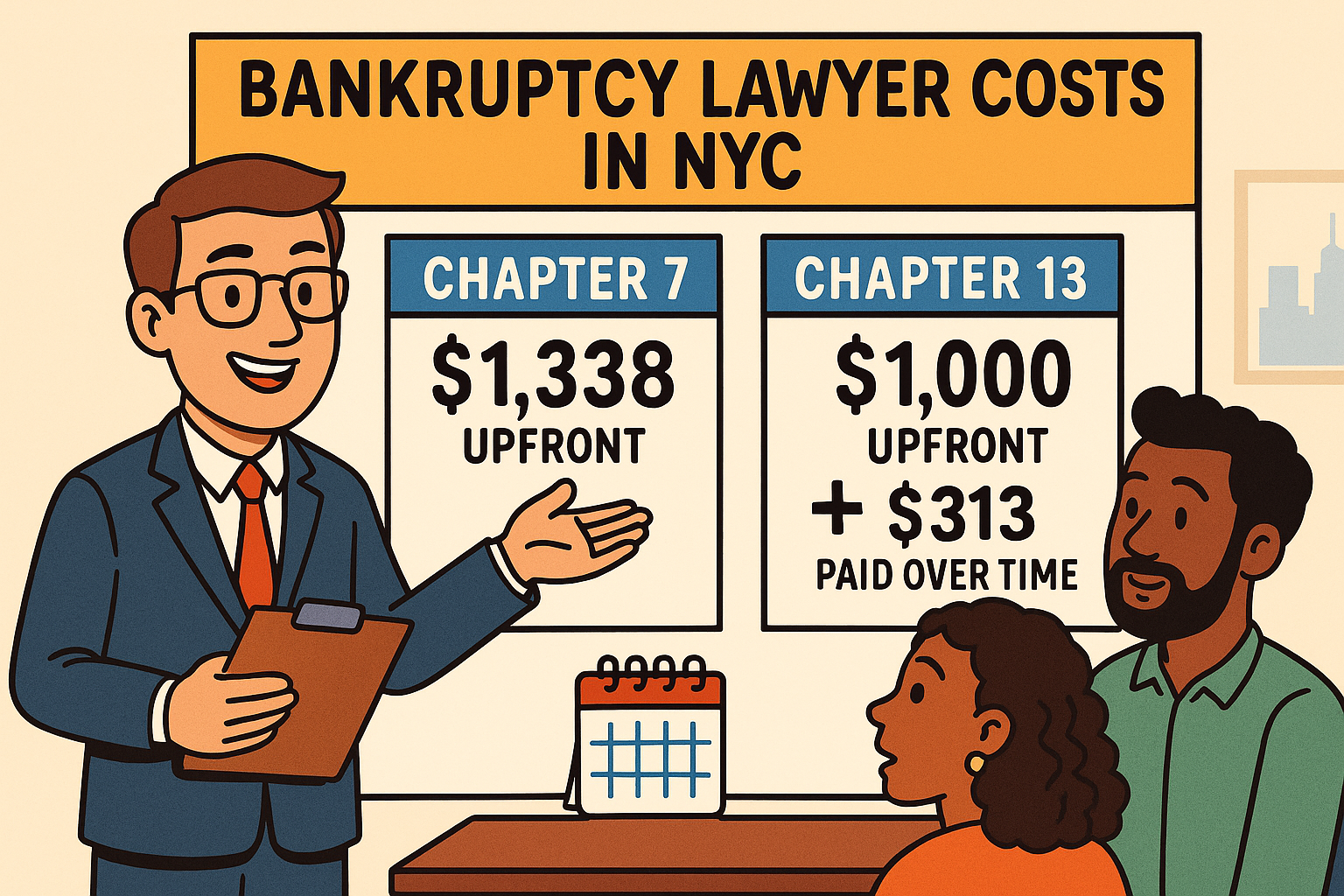
Personal bankruptcy gives lenders a chance to be a minimum of partially paid back when assets coming from an individual or service are liquidated, meaning the properties are transformed into money which is then committed the debtholders. All insolvency cases are filed in federal court. Judges take a look at the bankruptcy filing to identify a debtor's eligibility and after that choose whether to discharge that financial obligation.
A Step-By-Step 2026 Bankruptcy SupportNavigating the Current Bankruptcy Framework
Most cases are dealt with between the judge and trustee and do not require the debtor to appear in the court procedures. A choice can be made to release, meaning the debtor is no longer lawfully accountable for paying those debts. Or the judge might dismiss the filing if he or she believes the individual or service has the ways to pay their financial obligations.
The American Bankruptcy Institute says that 95.3% of individuals in Chapter 7 insolvency are effective when they are represented by a lawyer, and US. Bankruptcy Court data show an even greater portion in Chapter 7 cases that aren't dismissed or converted into another type of insolvency As you'll see below, you might have to certify for Chapter 7 bankruptcy based on your income.
There are six kinds of personal bankruptcy Chapters 7, 9, 11, 12, 13 and 15 each designed to address different monetary scenarios. Comprehending these choices can help people and companies pick the very best course to solve their debts and restore financial stability. Chapter 7 and Chapter 13 are without a doubt the most common kinds of insolvency, representing over 98% of bankruptcy filings based on early 2026 data.
Historically, it's been the most extensively utilized kind of personal bankruptcy because it's relatively economical and supplies the quickest debt relief. That pattern is continuing, as Chapter 7 filings increased by 17% in the first quarter of 2026 over the first quarter of 2025, according to information from Epiq AACER published by the American Personal Bankruptcy Institute.
Choosing the Ideal Legal Bankruptcy Option
You likewise could be allowed to keep key possessions thought about "exempt" home, though non-exempt property will be sold to repay part of your debt. Simply know that home exemptions vary state-to-state. By the end of an effective Chapter 7 filing, the majority (or all) of your debts will be discharged, meaning you won't need to repay them.
Chapter 7 insolvency stays on your credit report for ten years and substantially lowers your credit rating, however your rating might improve gradually as you rebuild your financial resources. While some individuals might not qualify due to high earnings, others merely can't afford Chapter 7 bankruptcy due to the costs and costs.
A Chapter 13 bankruptcy includes reorganizing your financial resources so you can pay back some financial obligations in order to have actually the rest forgiven. This is a choice for individuals who do not wish to quit their residential or commercial property or do not receive Chapter 7 because their earnings is expensive. Individuals can just apply for personal bankruptcy under Chapter 13 if they have less than $526,700 in unsecured financial obligation in cases submitted in between April 1, 2025, and March 31, 2028.

Latest Posts
Chapter 7 and Chapter 13
Stop Wage Garnishment Through 2026 Legal Support
Strategic 2026 Bankruptcy Support and Tips